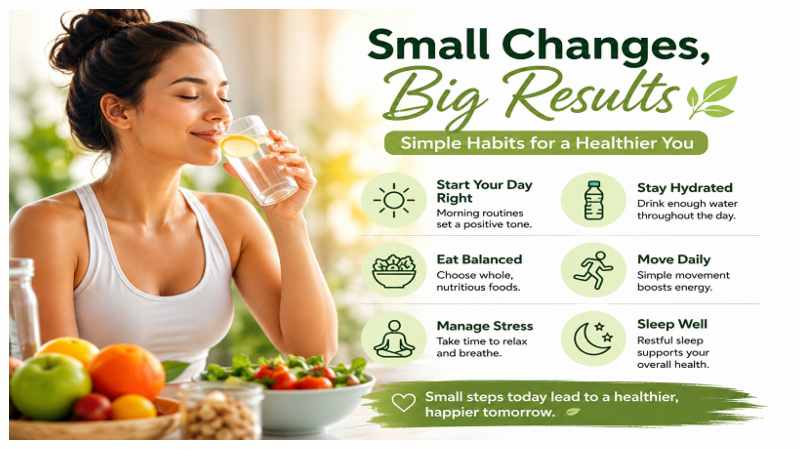
Living a healthy life is one of the most valuable goals anyone can pursue. Good health supports every aspect of daily living, from having enough energy to complete daily tasks to maintaining a positive mindset and enjoying quality time with family and friends. Unfortunately, modern lifestyles often include long working hours, unhealthy eating habits, stress, and limited physical activity, making it difficult to maintain overall wellness.
Useful Advice Jalbitehealth: Health Guide has been created to provide simple, practical, and reliable health information for readers who want to improve their daily lifestyle. Instead of promoting difficult fitness programs or restrictive diets, this guide focuses on realistic habits that anyone can follow. Whether you are beginning your wellness journey or looking to improve your current routine, these health tips can help you build a healthier and happier life.
The goal of this guide is to encourage long-term wellness by making healthy choices easier to understand and easier to practice every day.
What This Health Guide Covers
This health guide explores the essential areas of healthy living that contribute to physical, mental, and emotional well-being. Each section is designed to provide practical advice that can be applied to everyday life without requiring major lifestyle changes.
In this guide, you will learn about:
- Building healthy daily habits
- Understanding balanced nutrition
- Staying physically active
- Supporting mental and emotional well-being
- Creating productive daily routines
- Preventing common health problems
- Developing sustainable wellness habits
Every topic is explained in a clear and beginner-friendly way to help readers make informed health decisions.
Why Health Awareness is Important
Health awareness allows people to understand how daily choices affect their overall well-being. Learning about nutrition, exercise, hydration, sleep, and mental wellness makes it easier to prevent health problems before they develop.
Being aware of healthy habits offers several benefits, including:
- Better energy throughout the day
- Improved concentration and productivity
- Reduced risk of lifestyle-related diseases
- Stronger immune function
- Better emotional balance
- Improved quality of life
The more informed you are about your health, the easier it becomes to make positive lifestyle choices.
How Jalbitehealth Supports Healthy Living
Jalbitehealth is dedicated to sharing practical wellness advice that readers can trust and easily apply in everyday life. Rather than encouraging quick fixes or unrealistic goals, Jalbitehealth promotes steady progress through healthy daily habits.
This guide supports healthy living by helping readers:
- Learn simple wellness practices
- Improve eating habits
- Build consistent exercise routines
- Develop positive daily habits
- Better manage stress
- Stay motivated throughout their health journey
Healthy living is a lifelong process, and Jalbitehealth encourages readers to focus on continuous improvement rather than perfection.
Understanding the Basics of Good Health
Good health is achieved by maintaining balance in multiple areas of life. Physical fitness, proper nutrition, mental wellness, quality sleep, hydration, and preventive healthcare all contribute to overall well-being.
When these elements work together, they help improve energy, strengthen immunity, reduce illness, and support a longer, healthier life.
What is a Healthy Lifestyle?
A healthy lifestyle is a way of living that supports the body’s natural ability to function efficiently while promoting long-term wellness. It involves making thoughtful decisions every day that benefit both physical and mental health.
Examples of a healthy lifestyle include:
- Eating nutritious meals
- Staying physically active
- Drinking enough water
- Sleeping well each night
- Managing stress effectively
- Avoiding harmful habits
- Maintaining positive relationships
Healthy living is not about being perfect. It is about making better choices consistently over time.
Key Elements of Daily Wellness
Daily wellness consists of several important components that work together to support overall health.
- Balanced Nutrition: Eating a variety of nutritious foods provides the vitamins, minerals, proteins, carbohydrates, healthy fats, and fiber your body needs for proper function.
- Regular Physical Activity: Exercise strengthens muscles, supports heart health, improves flexibility, and boosts energy.
- Quality Sleep: Getting enough restful sleep allows your body to recover, supports brain function, and improves mood.
- Mental and Emotional Wellness: Managing stress, maintaining positive relationships, and practicing self-care contribute to emotional balance.
- Proper Hydration: Drinking enough water supports healthy digestion, circulation, temperature regulation, and overall body performance.
- Preventive Healthcare: Regular health checkups and healthy lifestyle habits help identify potential problems early and reduce the risk of future illnesses.
Building Healthy Habits Step by Step
One of the biggest mistakes people make is trying to change every habit at once. Lasting improvement happens gradually through small, manageable changes that become part of your daily routine.
You can begin by:
- Drinking an extra glass of water each day
- Walking for 20 minutes after dinner
- Eating one additional serving of vegetables
- Reducing sugary drinks
- Going to bed at a consistent time
As these small habits become automatic, you can gradually introduce additional healthy behaviors. Building habits slowly increases the likelihood of long-term success.
Daily Health Tips for Better Living
Daily habits influence your overall health more than occasional efforts. Making healthy decisions consistently can improve your energy, mood, productivity, and physical fitness.
Healthy daily habits may include:
- Eating nutritious meals
- Staying hydrated
- Exercising regularly
- Managing stress
- Sleeping well
- Spending time outdoors
- Limiting unhealthy processed foods
Small improvements made consistently often lead to significant health benefits over time.
Morning Habits for a Healthy Start
Your first actions after waking often determine how balanced and productive the rest of your day will be. Starting the day with healthy habits can improve both physical and mental performance.
Healthy morning habits include:
- Maintaining a consistent wake-up schedule each morning helps support your body’s natural rhythm.
- Drinking a glass of water after waking
- Getting natural sunlight
- Stretching or doing light exercise
- Eating a nutritious breakfast
- Planning your daily priorities
Beginning your morning calmly without unnecessary digital distractions can improve focus, productivity, and emotional well-being.
Healthy Daily Routines
Healthy routines make it easier to maintain wellness because they reduce the need for constant decision-making.
Some beneficial daily routines include:
- Eating meals at regular times
- Taking short walking breaks
- Drinking water throughout the day
- Practicing deep breathing
- Spending time outdoors
- Limiting screen use before bedtime
Following a regular routine helps create stability and supports better overall health.
Easy Lifestyle Adjustments for Better Well-Being
Improving your health does not require major lifestyle changes overnight. Small improvements practiced consistently often produce the best long-term results.
Examples include:
- Choosing stairs instead of elevators
- Cooking more meals at home
- Replacing sugary drinks with water
- Walking short distances instead of driving
- Taking breaks from prolonged sitting
- Choosing to read a book instead of browsing your phone before bedtime can help your mind relax and prepare for restful sleep.
Over time, these simple habits can significantly improve physical health, mental wellness, and daily energy.
Nutrition and Healthy Eating Guide
Nutrition plays one of the most important roles in maintaining good health. The foods you eat provide the fuel your body needs to function effectively while supporting growth, repair, immunity, and energy production.
Healthy eating focuses on balance, moderation, and variety rather than strict diets or eliminating entire food groups.
Importance of a Balanced Diet
A balanced diet supplies your body with essential nutrients needed for optimal health.
A healthy diet should include:
- Fruits and vegetables
- Whole grains
- Lean proteins
- Healthy fats
- Dairy or suitable alternatives
- Plenty of fiber
Balanced nutrition helps support:
- Healthy body function
- Strong immune defenses
- Better digestion
- Stable energy levels
- Healthy weight management
- Improved concentration
Eating a wide variety of nutritious foods helps ensure your body receives everything it needs to perform at its best.
Best Foods for Overall Health
Choosing nutrient-rich foods can improve both short-term energy and long-term health.
Some excellent choices include:
- Fresh Fruits: Apples, oranges, berries, bananas, and grapes provide vitamins, antioxidants, and natural fiber.
- Vegetables: Spinach, broccoli, carrots, kale, peppers, and tomatoes contain important nutrients that support immunity and overall health.
- Whole Grains: Brown rice, oats, quinoa, and whole-grain bread provide steady energy and support digestive health.
- Lean Protein: Chicken, fish, eggs, beans, lentils, and tofu help maintain muscles and repair body tissues.
- Healthy Fats: Avocados, olive oil, almonds, walnuts, and seeds support heart health and brain function.
Including a variety of these foods throughout the week helps create a balanced eating pattern.
Healthy Meal Planning Tips
Meal planning helps make healthy eating easier while reducing unhealthy food choices during busy days.
Helpful meal-planning ideas include:
- Plan meals for the entire week.
- Prepare healthy lunches in advance.
- Keep healthy snacks available.
- Include vegetables with every meal.
- Choose whole foods whenever possible.
- Reduce highly processed foods.
- Cook larger portions for future meals.
Planning ahead also helps save time and reduce food waste.
Smart Snacking for Better Nutrition
Eating wholesome snacks at the right time supports stable energy and encourages better portion control throughout the day.
Nutritious snack options include:
- Fresh fruit
- Greek yogurt
- Mixed nuts
- Cottage cheese
- Hummus with vegetables
- Whole-grain crackers
- Boiled eggs
Choosing nutrient-rich snacks provides sustained energy without excessive added sugar.
Healthy Eating Habits to Follow
Healthy eating is about building consistent habits rather than following temporary diets.
Useful eating habits include:
- Eat slowly and mindfully.
- Pay attention to portion sizes.
- Avoid skipping meals.
- Drink water with meals.
- Include protein in each meal.
- Eat more vegetables daily.
- Limit sugary beverages and processed foods.
These habits support better digestion, improved energy, and long-term wellness.
Hydration and Healthy Living
Water is essential for nearly every process in the human body. Staying properly hydrated helps support physical performance, mental focus, digestion, and overall health.
Why Drinking Water is Essential
Water plays a vital role in transporting nutrients, supporting healthy circulation, regulating body temperature, lubricating joints, and removing waste products from the body.
Without adequate hydration, the body cannot perform these essential functions efficiently.
Benefits of Staying Hydrated
Proper hydration offers numerous health benefits, including:
- Improved concentration
- Better digestion
- Increased energy
- Healthier skin
- Better exercise performance
- Reduced fatigue
- Support for healthy kidney function
Making hydration a daily priority contributes to better overall wellness.
Easy Ways to Increase Daily Water Intake
If you find it difficult to drink enough water, try these practical tips:
- Carry a reusable water bottle.
- Drink a glass of water before every meal.
- Add lemon, cucumber, or mint for natural flavor.
- Set reminders on your phone.
- Include hydrating foods, such as watermelon, cucumbers, and oranges, in your daily meals.
- Replace sugary drinks with water whenever possible.
Building consistent hydration habits is one of the easiest ways to support long-term health.
Fitness and Physical Activity
Regular physical activity is one of the most effective ways to improve your overall health. Exercise strengthens the body, boosts mental well-being, and helps prevent many lifestyle-related health conditions. You do not need an expensive gym membership or advanced fitness equipment to stay active. A little physical activity each day can go a long way toward supporting a healthier lifestyle.
Whether you are a beginner or someone returning to exercise after a break, the key is to choose activities you enjoy and perform them consistently. Even 20 to 30 minutes of moderate activity each day can contribute to better long-term health.
Benefits of Regular Exercise
Exercise benefits nearly every part of the body and mind. Regular exercise offers a wide range of valuable health benefits, including:
- Strengthens the heart and lungs
- Helps maintain a healthy body weight
- Improves muscle strength and flexibility
- Supports healthy bones and joints
- Boosts mood and confidence
- Increases daily energy levels
- Reduces stress and anxiety
- Improves sleep quality
- Lowers the risk of chronic diseases
Regular physical activity also enhances balance and coordination, making everyday tasks easier to perform.
Easy Home Workouts for Beginners
You don’t need special equipment to begin exercising. Many effective workouts can be done at home.
Beginner-friendly exercises include:
- Brisk walking around your neighborhood
- Bodyweight squats
- Wall push-ups
- Lunges
- Planks
- Yoga
- Stretching exercises
- Jumping jacks
- Marching in place
Start with short sessions and gradually increase the duration as your fitness improves.
Tips to Stay Active Every Day
Staying active does not always mean following a structured workout plan. Small movements throughout the day also contribute to better health.
Simple ways to stay active include:
- Take the stairs whenever possible.
- Walk during phone calls.
- Park farther from entrances.
- Stand up and stretch every hour.
- Walk after meals.
- Perform light household chores.
- Spend time gardening.
- Play outdoor games with family.
Daily movement improves circulation, burns calories, and reduces the negative effects of prolonged sitting.
Stretching and Flexibility Exercises
Stretching is often overlooked but plays an important role in maintaining mobility and preventing injuries.
Benefits of regular stretching include:
- Improved flexibility
- Better posture
- Reduced muscle stiffness
- Increased range of motion
- Lower risk of injury
Simple stretching exercises for the neck, shoulders, back, hips, and legs can be performed daily and only take a few minutes.
Building a Long-Term Fitness Routine
A successful fitness routine is one that fits your lifestyle and can be maintained for years.
Helpful strategies include:
- Set realistic goals.
- Exercise at the same time each day.
- Choose activities you enjoy.
- Track your progress.
- Rest when needed.
- Celebrate small achievements.
Remember that consistency is much more important than intensity.
Mental Health and Emotional Well-Being
Good health includes taking care of your mind as well as your body. Mental wellness affects how you think, feel, respond to challenges, and interact with others.
Looking after your mental health improves your ability to manage daily responsibilities and enjoy life more fully.
Why Mental Health Matters
Mental health influences every aspect of life, including relationships, productivity, decision-making, and physical health.
Maintaining good mental wellness helps you:
- Handle stress effectively
- Stay emotionally balanced
- Improve concentration
- Build healthier relationships
- Increase resilience during difficult situations
Seeking support when needed is a sign of strength and an important part of self-care.
Simple Ways to Manage Stress
Stress is a normal part of life, but chronic stress can affect both physical and mental health.
Healthy ways to manage stress include:
- Deep breathing exercises
- Meditation
- Spending time outdoors
- Reading books
- Listening to relaxing music
- Practicing gratitude
- Talking with trusted friends or family
- Limiting unnecessary worries
Managing stress regularly supports long-term emotional well-being.
Benefits of Positive Thinking
Maintaining a positive outlook helps improve overall wellness.
Positive thinking can:
- Increase confidence
- Reduce anxiety
- Improve motivation
- Support better decision-making
- Strengthen emotional resilience
Although challenges are unavoidable, maintaining optimism helps you recover more effectively from setbacks.
Self-Care Tips for Better Mental Health
Self-care means taking intentional actions to protect your physical and emotional well-being.
Examples include:
- Getting enough sleep
- Taking regular breaks
- Spending time on hobbies
- Eating nutritious meals
- Exercising regularly
- Limiting unnecessary stress
- Making time for relaxation
Self-care is an essential part of maintaining long-term health.
Building Emotional Strength
Emotional strength helps people remain calm and adaptable during life’s challenges.
Ways to build emotional resilience include:
- Accepting change
- Learning from mistakes
- Maintaining supportive relationships
- Practicing patience
- Developing healthy coping strategies
Building resilience helps improve confidence and emotional stability.
Healthy Lifestyle Habits
Healthy living is built through everyday routines that support physical and mental wellness.
Importance of Quality Sleep
Sleep is essential for recovery, brain function, hormone regulation, and immune health.
Adults should aim for approximately seven to nine hours of quality sleep each night.
Good sleep habits include:
- Going to bed at the same time daily
- Limiting caffeine late in the day
- Keeping the bedroom quiet and comfortable
- Avoiding electronic devices before bedtime
Creating a Productive Daily Routine
A structured routine improves time management and reduces unnecessary stress.
A productive day often includes:
- Planning important tasks
- Taking regular breaks
- Eating meals on schedule
- Exercising
- Allowing time for relaxation
Balanced routines improve both productivity and well-being.
Managing Screen Time Wisely
Excessive screen time can affect posture, eye health, sleep quality, and mental wellness.
Healthy screen habits include:
- Taking regular breaks
- Limiting recreational screen use
- Avoiding screens before bed
- Spending more time outdoors
Finding a balance between digital devices and real-life activities supports healthier living.
Developing Healthy Daily Habits
Daily habits determine long-term health outcomes.
Healthy habits include:
- Drinking enough water
- Exercising regularly
- Reading daily
- Practicing gratitude
- Preparing healthy meals
- Maintaining personal hygiene
Small actions repeated consistently create lasting improvements.
Time Management for Better Wellness
Good time management reduces stress and creates opportunities for healthy activities.
Helpful strategies include:
- Setting priorities
- Avoiding procrastination
- Creating daily schedules
- Balancing work and personal life
Managing time effectively helps maintain a healthier lifestyle.
Useful Advice Jalbitehealth for Beginners
Starting your wellness journey can feel overwhelming, but simple habits make the process easier.
Easy Health Tips to Get Started
Start by:
- Drinking more water
- Walking daily
- Eating more vegetables
- Sleeping consistently
- Reducing sugary drinks
Small improvements create lasting results.
Simple Lifestyle Changes That Work
Healthy living becomes easier when you focus on realistic changes rather than perfection.
Examples include:
- Cooking more meals at home
- Taking walking breaks
- Choosing healthier snacks
- Limiting processed foods
Staying Consistent with Healthy Habits
Success comes from repeating healthy behaviors regularly.
Track your progress, stay patient, and remember that long-term improvement takes time.
Avoiding Common Beginner Mistakes
Avoid:
- Setting unrealistic goals
- Skipping meals
- Exercising too intensely too soon
- Expecting immediate results
Focus on gradual progress instead.
Creating a Personal Wellness Plan
A wellness plan should include:
- Daily exercise
- Healthy meals
- Hydration goals
- Sleep schedule
- Stress-management activities
Review and adjust your plan as your needs change.
Preventive Health Guide
Preventive care helps reduce the risk of illness and supports long-term health.
Importance of Regular Health Checkups
Routine medical checkups can identify potential health concerns early and help monitor important health indicators.
Strengthening Your Immune System
Support your immune system by:
- Eating nutritious foods
- Sleeping well
- Exercising regularly
- Managing stress
- Staying hydrated
Maintaining Good Personal Hygiene
Good hygiene reduces the spread of germs and supports overall health.
Maintain habits such as:
- Washing hands regularly
- Brushing and flossing teeth
- Bathing daily
- Wearing clean clothing
Protecting Your Heart Health
Heart health can be improved by:
- Staying active
- Eating heart-friendly foods
- Maintaining healthy blood pressure
- Avoiding smoking
- Managing stress
Healthy Aging Tips
Healthy aging includes:
- Remaining physically active
- Staying socially connected
- Eating balanced meals
- Keeping the mind active
- Attending regular medical checkups
Everyday Wellness Advice
Healthy living is built through everyday decisions.
Practical Health Tips for Busy People
Busy schedules don’t have to prevent healthy living.
Try to:
- Prepare meals ahead of time
- Carry healthy snacks
- Take walking breaks
- Drink water regularly
- Schedule exercise like appointments
Healthy Habits You Can Start Today
Begin with simple actions such as walking daily, eating more fruits and vegetables, drinking enough water, and practicing gratitude.
Staying Motivated on Your Health Journey
Stay motivated by setting achievable goals, celebrating small successes, and remembering your reasons for improving your health.
Maintaining Long-Term Wellness
Long-term wellness comes from consistency, patience, and continuous learning rather than quick fixes.
Building Confidence Through Healthy Living
Healthy habits improve energy, physical fitness, emotional well-being, and self-confidence.
Common Health Mistakes to Avoid
Common mistakes include:
Skipping Meals
Skipping meals may reduce energy and lead to unhealthy eating later in the day.
Poor Diet Choices
Frequent consumption of processed foods can negatively affect overall health.
Lack of Physical Activity
Long periods of inactivity increase health risks.
Ignoring Mental Health
Mental wellness deserves the same attention as physical health.
Poor Sleep Habits
Insufficient sleep affects concentration, mood, and recovery.
Spending Too Much Time Sitting
Take regular movement breaks throughout the day.
Family Health and Wellness Tips
Healthy families build healthy communities.
Building Healthy Family Habits
Exercise together, eat balanced meals, and encourage positive routines.
Encouraging Children to Stay Active
Outdoor games, cycling, sports, and family walks help children develop lifelong healthy habits.
Healthy Eating for the Whole Family
Prepare nutritious meals together and encourage children to try different healthy foods.
Fun Family Fitness Activities
Weekend hikes, swimming, dancing, cycling, and active games make exercise enjoyable.
Creating a Healthy Home Environment
Keep healthy foods available, encourage open communication, and support positive habits.
Long-Term Health and Wellness
Good health is a lifelong commitment.
Importance of Consistency
Small healthy actions practiced every day produce lasting improvements.
Setting Realistic Health Goals
Choose goals that are achievable and measurable.
Tracking Your Health Progress
Keep a journal or use an app to monitor your habits and celebrate milestones.
Maintaining Motivation
Focus on progress rather than perfection and continue learning about healthy living.
Making Healthy Living a Lifelong Habit
Healthy living should become part of your lifestyle rather than a temporary challenge.
Frequently Asked Questions (FAQs)
How Can I Start Living a Healthier Lifestyle?
Begin with small habits such as drinking more water, walking daily, eating balanced meals, and getting enough sleep.
What Are the Best Daily Health Habits?
Healthy eating, regular exercise, quality sleep, stress management, hydration, and maintaining positive routines.
How Much Exercise Do Adults Need?
Aim for at least 150 minutes of moderate-intensity physical activity each week, along with muscle-strengthening activities on two or more days.
Why is Mental Health Important?
Mental health affects emotional well-being, relationships, decision-making, productivity, and overall quality of life.
How Can I Stay Healthy Long-Term?
Maintain balanced nutrition, stay active, sleep well, manage stress, attend regular health checkups, and remain consistent with healthy habits.
Final Thoughts on Useful Advice Jalbitehealth: Health Guide
Healthy living is not about making perfect choices every day—it is about making better choices more often. Small improvements, when practiced consistently, can lead to meaningful changes in your physical health, mental well-being, and overall quality of life. By following the guidance in this Useful Advice Jalbitehealth: Health Guide, you can create sustainable habits that support lifelong wellness.
Summary of Key Health Tips
- Eat balanced, nutritious meals.
- Stay physically active every day.
- Drink enough water.
- Prioritize quality sleep.
- Manage stress in healthy ways.
- Schedule regular health checkups.
- Stay consistent with healthy habits.
How to Apply These Tips Every Day
Start with one or two simple habits, gradually add new healthy routines, track your progress, and stay patient. Long-term success comes from steady improvement rather than overnight change.
Benefits of Following a Healthy Lifestyle
Maintaining healthy habits can improve energy levels, strengthen your immune system, enhance mental clarity, support heart health, increase confidence, and improve your overall quality of life.
Stay Connected for More Useful Advice Jalbitehealth Guides
Continue exploring Jalbitehealth for more practical health guides, wellness tips, nutrition advice, fitness resources, and lifestyle articles designed to help you build a healthier future one step at a time.