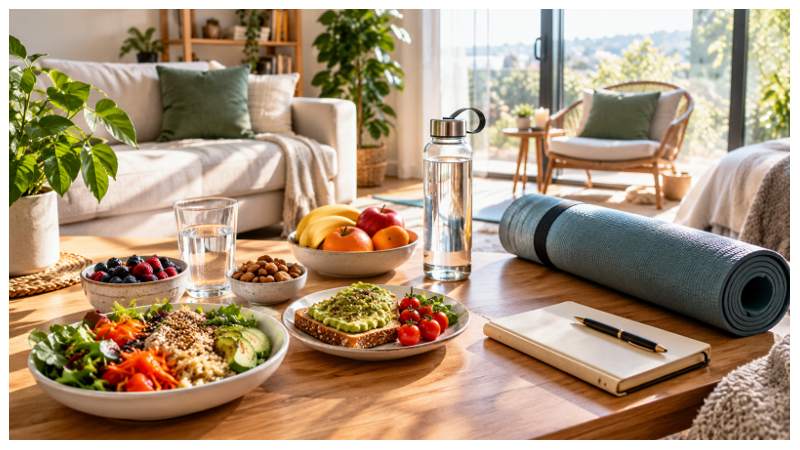
Everyday wellness is about making thoughtful choices that support your physical health, emotional balance, and overall quality of life. A healthier lifestyle does not require a complete change in your daily routine or expensive products. Instead, it develops through small decisions that gradually become part of your normal activities. Eating nourishing foods, staying active, sleeping well, drinking enough water, and making time for relaxation can all contribute to a more balanced life.
Advice Tips Theweeklyhealthiness: Easy Wellness Tips focuses on practical ways to make healthy living more approachable. Whether you have a busy schedule or plenty of free time, simple habits can help you create a routine that supports your individual needs. The goal is not to follow a perfect lifestyle but to discover realistic practices that you can maintain comfortably.
1. Understanding the Importance of a Healthy Lifestyle
A healthy lifestyle supports the body and mind through consistent daily care. Nutritious meals provide essential nutrients, physical activity helps maintain strength, and sufficient sleep allows the body to rest and recover. Emotional wellbeing also matters because ongoing stress and an unbalanced schedule can affect how you feel throughout the day.
Healthy living looks different for everyone. Your routine should reflect your age, responsibilities, preferences, and personal circumstances. Rather than copying someone else’s habits, concentrate on choices that make you feel more comfortable, energetic, and organized.
Simple Habits for Better Daily Wellbeing
Small habits can make wellness easier to manage. Drinking water after waking up, including fruit in breakfast, taking short movement breaks, and spending a few minutes away from screens are simple examples. These actions may appear minor, but repeating useful habits can help establish a healthier daily rhythm.
Build your wellness routine one small habit at a time, letting simple steps grow into lasting lifestyle changes. When a habit becomes familiar, introduce another that fits naturally into your routine.
Creating a Balanced Wellness Routine
A balanced wellness routine includes nourishment, movement, rest, emotional care, and personal enjoyment. It should offer structure without making every hour feel restricted. Plan important activities while leaving enough flexibility for unexpected responsibilities and relaxation.
Your daily routine can evolve rather than follow the same pattern each day; what matters most is choosing habits that nurture your wellbeing and fit naturally into your lifestyle.
2. Advice Tips Theweeklyhealthiness for Healthy Eating
Food choices influence how you feel, how well you concentrate, and how effectively your body receives the nutrients it needs. Healthy eating does not mean avoiding every favorite dish or following strict food rules. It means building meals around variety, moderation, and nourishment while enjoying food without unnecessary pressure.
Choosing Nutritious Foods for Everyday Meals
Include a mixture of vegetables, fruits, whole grains, protein-rich foods, and suitable sources of healthy fats in your meals. Options such as oats, lentils, eggs, beans, yogurt, fish, nuts, and seasonal produce can provide valuable nutrients.
Choose ingredients that suit your budget, availability, and cultural preferences. Home-cooked meals can make it easier to understand what goes into your food, but convenience should not be treated as a failure. Frozen vegetables, canned beans, and other practical ingredients can also support balanced eating.
Building a Balanced and Varied Diet
Eating a wide range of foods helps you obtain different vitamins, minerals, fiber, and other nutrients. Try combining vegetables with a protein source and whole grains when planning lunch or dinner. For breakfast, consider oats with fruit, eggs with whole-grain bread, or yogurt with nuts.
Variety also keeps meals interesting. Experiment with herbs, spices, cooking methods, and seasonal ingredients instead of relying on the same dishes every day. Individual nutritional requirements differ, so people with specific medical or dietary needs may benefit from advice from a qualified healthcare professional.
Making Healthier Food Choices
You can improve everyday eating without completely changing your kitchen. Compare food labels, choose fiber-rich options when appropriate, and pay attention to added sugars and excess sodium in packaged products. Prepare snacks such as fruit, unsalted nuts, or yogurt so convenient choices are available when hunger strikes.
Rather than labeling foods as entirely healthy or unhealthy, focus on maintaining a balanced and flexible approach to eating. Is this conversation helpful so far?
3. Staying Active for Better Health
Regular physical activity supports strength, mobility, cardiovascular health, and emotional wellbeing. Exercise does not always require a gym membership or specialized equipment. Everyday movement can become an enjoyable part of life when you select activities that suit your abilities and interests.
Simple Physical Activities to Make Part of Your Everyday Schedule
Begin with manageable activities such as stretching, gentle yoga, dancing, cycling, or bodyweight exercises. If you spend much of your day sitting, stand up periodically and move around. Household tasks and gardening can also provide opportunities to become more active.
Adjust the pace and effort of each workout to suit your current abilities and physical endurance. If you are new to exercise, increase the duration and difficulty gradually rather than pushing yourself too hard. People with health concerns or physical limitations should seek appropriate professional guidance before starting demanding activities.
Benefits of Walking and Regular Movement
Walking is an accessible way to include movement in your day. A short walk after lunch, a stroll through a park, or walking while completing suitable errands can help reduce long periods of sitting. Regular movement may support mood, circulation, endurance, and general fitness.
There is no need to fit every activity into a single workout; spread them throughout your day to create a more manageable routine. Short periods of movement can be combined throughout the day to make an active lifestyle more achievable.
Staying Consistent With Physical Activity
Consistency becomes easier when exercise fits your preferences. Some people enjoy morning walks, while others prefer evening cycling or home workouts. There is no need to fit every activity into a single workout; spread them throughout your day to create a more manageable routine.
Prepare comfortable clothing, keep your equipment accessible, and celebrate progress such as improved stamina or completing a planned session. Remember that occasional missed workouts are normal; returning to your routine matters more than maintaining a perfect record.
4. Improving Sleep and Rest
Rest is an essential part of a healthy lifestyle. Good sleep supports attention, mood, learning, and the body’s normal recovery processes. Instead of treating bedtime as an afterthought, make it a regular part of your wellness plan.
Developing a Relaxing Bedtime Routine
Create a gentle transition between daytime responsibilities and sleep. You might read a book, take a warm bath, listen to quiet music, or prepare your belongings for the next morning. Reducing stimulating activities before bed can also help you settle down.
Try to maintain consistent sleeping and waking times, including on weekends when practical. Adults generally need seven to nine hours of sleep, although individual needs vary.
Creating a Comfortable Sleep Environment
A peaceful bedroom can make resting more comfortable. Keep the room reasonably dark, quiet, and cool according to your preferences. Choose comfortable bedding, reduce unnecessary clutter, and use curtains or an eye mask if outside light disturbs you.
Reserve your bed primarily for sleep when possible. If noise, temperature, or light frequently interrupts your rest, identify the main problem and make one practical adjustment at a time.
Managing Daily Habits for Better Sleep
Late caffeine, irregular schedules, and heavy meals close to bedtime may interfere with sleep for some people. Notice how your habits affect your rest and adjust accordingly. Regular daytime movement and exposure to natural light can also support a consistent sleep-wake rhythm.
If sleep problems persist or regularly affect your daily functioning, consider discussing them with a healthcare professional rather than relying solely on lifestyle changes.
5. Supporting Mental and Emotional Wellness
Mental and emotional wellness deserves the same attention as physical health. Everyday responsibilities, financial concerns, work demands, and personal challenges can sometimes feel overwhelming. Developing healthy ways to manage these pressures can help you respond more thoughtfully to difficult situations.
Managing Everyday Stress in Healthy Ways
Start by identifying what contributes most to your stress. Breaking large tasks into smaller steps, setting reasonable boundaries, and asking for help can make responsibilities feel more manageable. A short walk, a conversation with someone you trust, or a few quiet minutes may also provide relief.
Stress cannot always be eliminated, so focus on responses that support your wellbeing. If distress becomes persistent or difficult to manage, professional mental health support can be valuable.
Practicing Mindfulness and Relaxation
Mindfulness involves paying attention to the present moment without immediately judging your thoughts or feelings. You can practice by noticing your breathing, observing the sounds around you, or concentrating fully on an everyday activity.
Begin with a few minutes and keep the process simple. Relaxation does not have to involve complicated techniques; it can be as straightforward as sitting quietly, stretching gently, or taking a break from constant notifications.
Making Time for Yourself
Personal time allows you to reconnect with activities that bring meaning and enjoyment to your life. Reading, drawing, listening to music, gardening, or spending time outdoors can offer a refreshing change from routine responsibilities.
Schedule these activities when possible rather than waiting until every task is finished. Looking after your emotional wellbeing is a valuable part of maintaining balance, not an unnecessary reward.
6. The Importance of Daily Hydration
Water supports several essential body functions, including temperature regulation and the movement of nutrients. Your hydration needs can change according to physical activity, climate, diet, and individual health circumstances. Developing a regular drinking routine can help you pay attention to your body’s needs.
Understanding Your Body’s Need for Water
Your body loses water throughout the day through normal processes, and these losses increase during hot weather or exercise. Replacing fluids helps maintain normal bodily functions. Thirst can provide a useful signal, although individual needs vary.
People who exercise intensely, work outdoors, or live in hot climates may need to pay additional attention to fluid intake. Those with medical conditions affecting fluid balance should follow their healthcare professional’s recommendations.
Simple Ways to Drink Water Regularly
Keep a reusable water bottle nearby, drink water with meals, and take regular breaks for refreshments. You can also connect drinking water with existing habits, such as having a glass after waking up or before leaving home.
Do not feel that you must follow an identical water target to everyone else. Pay attention to your activity, environment, thirst, and professional guidance where relevant.
Choosing Healthy Drinks Throughout the Day
Water is a useful everyday choice because it provides hydration without added sugar. Unsweetened tea and other appropriate drinks can contribute to fluid intake, while milk or fortified alternatives may provide additional nutrients.
Limit sugary beverages when possible, particularly if they have become a frequent substitute for water. Keep your preferences in mind so that healthier drinks remain practical and enjoyable.
7. Building Healthy Daily Habits
Healthy habits become easier to maintain when they fit naturally into your existing schedule. Rather than depending entirely on motivation, create simple routines that remind you to take care of yourself.
Starting the Morning With Positive Routines
A calm morning can help you approach the day with greater organization. Open the curtains, drink water, eat a suitable breakfast, and review the tasks that need attention. A few minutes of stretching or quiet reflection may also help you feel prepared.
You do not need a long morning routine to start well. Choose a small number of actions that make a meaningful difference to your day.
Organizing Your Day for Better Balance
Write down your main priorities and divide demanding projects into manageable tasks. Include time for meals, movement, rest, and personal responsibilities rather than filling every available minute with work.
A realistic schedule helps you recognize what can reasonably be completed. Leave some flexibility for interruptions and avoid treating a busy day as a reason to abandon every healthy habit.
Maintaining Consistency With Small Changes
Repetition is often more useful than dramatic short-term effort. If you want to become more active, begin with a short daily walk. If you want to eat better, add a serving of vegetables to a meal you already enjoy.
Attach new habits to established routines and review your progress occasionally. When a change feels too difficult, make it smaller until it becomes manageable.
8. Advice Tips Theweeklyhealthiness for Self-Care
Self-care means recognizing your needs and taking practical steps to support your physical and emotional wellbeing. It is not limited to beauty routines, expensive treatments, or occasional days off. Ordinary choices that protect your energy and create a more comfortable environment can also be meaningful forms of self-care.
Making Time for Personal Wellbeing
Create space for activities that help you feel restored. This might mean preparing a nourishing meal, keeping a journal, spending time with friends, or enjoying a quiet hobby. Small moments of care can fit into ordinary days without requiring elaborate plans.
Pay attention to signs that you need rest or support. Responding to those needs thoughtfully can help you avoid treating exhaustion as a normal part of everyday life.
Balancing Work, Rest, and Leisure
A balanced lifestyle leaves room for responsibilities as well as enjoyment. Establish reasonable working hours when possible, take breaks during demanding tasks, and protect time for family, hobbies, and relaxation.
Avoid measuring your productivity by how busy you remain. Rest and leisure contribute to a sustainable routine, helping you approach responsibilities with greater balance.
Creating a Calmer Everyday Environment
Your surroundings can influence how comfortable and settled you feel. Keep frequently used items organized, allow natural light into your living space, and create a dedicated corner for reading or relaxing. Even a small area can feel inviting when it reflects your preferences.
Reduce unnecessary noise and visual distractions when you need to concentrate or unwind. A supportive environment does not need to be perfect; it simply needs to work well for your everyday life.
9. Maintaining Wellness on a Busy Schedule
Busy days can make healthy choices seem difficult, but wellness does not require large amounts of free time. Planning ahead and choosing convenient options can help you care for yourself even when responsibilities increase.
Choosing Practical Health Habits
Identify activities that offer benefits without adding unnecessary complexity. Keep nutritious snacks available, take brief movement breaks, and use reminders for important personal tasks. Small actions are often easier to preserve during demanding weeks than complicated routines.
Focus on the habits that matter most to your circumstances instead of trying to optimize every part of your day.
Preparing Healthy Meals in Advance
Planning meals can reduce last-minute decisions and make balanced eating more convenient. Prepare ingredients, wash vegetables, cook suitable grains, or portion leftovers for later meals. Store food safely and select recipes that suit your household’s preferences.
Meal preparation does not have to involve cooking for an entire week. Preparing just a few ingredients ahead of time can make busy mornings and evenings easier.
Finding Time for Movement and Relaxation
Use available opportunities to move, such as taking the stairs when appropriate, walking during a break, or stretching between tasks. For relaxation, try a few slow breaths, listen to calming music, or step away from screens briefly.
These short activities will not replace adequate exercise or rest, but they can help you incorporate moments of care into an otherwise full schedule.
10. Common Wellness Mistakes to Avoid
Wellness advice can become counterproductive when it encourages unrealistic expectations. Healthy living should support your quality of life rather than create constant pressure to perform perfectly.
Ignoring the Importance of Rest
Some people prioritize work and exercise while treating rest as optional. However, the body and mind need sufficient recovery. Continuing to push through persistent exhaustion may make daily responsibilities harder to manage.
Include breaks and adequate sleep in your plans. If unusual fatigue continues despite sufficient rest, seek appropriate medical advice.
Following Unrealistic Health Routines
Highly restrictive diets, demanding workout schedules, and complicated morning rituals may be difficult to sustain. Comparing your routine with someone else’s can also create unnecessary frustration.
Choose changes that fit your circumstances, and adjust them when necessary. A flexible routine is often more useful than a perfect plan that quickly becomes overwhelming.
Expecting Immediate Results From Lifestyle Changes
Meaningful changes in fitness, sleep, and everyday habits often require time. Progress may be gradual, and some weeks will be easier than others. A lack of immediate results does not automatically mean your efforts are wasted.
Measure success through consistent actions and improvements that matter to you. Patience allows healthy habits to develop without turning wellness into a constant source of pressure.
11. How to Maintain Long-Term Wellness
Long-term wellness develops through repeated decisions, regular reflection, and the willingness to adjust your approach. Your needs may change as your responsibilities, preferences, and circumstances evolve. A useful routine should be able to change with you.
Setting Realistic Health Goals
Choose specific goals that you can reasonably work toward. Instead of promising to change your entire lifestyle, decide to walk several times a week, include vegetables in more meals, or maintain a regular bedtime.
Make your goals measurable enough to review, but leave room for flexibility. Goals should guide your choices rather than make you feel guilty when life becomes unpredictable.
Tracking Your Progress and Daily Habits
A simple journal or calendar can help you recognize patterns in your routine. Record activities such as exercise, sleep times, meal planning, or moments of relaxation. Review the information periodically to identify what works and where adjustments may help.
Tracking should support awareness, not create anxiety. If recording every detail becomes stressful, simplify the process or focus on just one habit.
Adapting Your Routine to Your Needs
A routine that works during a quiet week may not suit a period of travel, family commitments, or increased work. Adjust your expectations and select manageable alternatives when circumstances change.
You might replace a long workout with a shorter walk, choose a simple balanced meal, or move a relaxation activity to another time. Flexibility helps you continue caring for yourself without demanding identical results every day.
12. Conclusion: Make Wellness Part of Everyday Life
Wellness becomes more achievable when it is built around practical choices rather than complicated rules. Balanced meals, regular movement, sufficient sleep, hydration, emotional care, and meaningful personal time can all contribute to a healthier everyday routine. No single habit needs to transform your life overnight.
Advice Tips Theweeklyhealthiness: Easy Wellness Tips encourages readers to choose manageable steps, learn from their experiences, and develop routines that suit their individual needs. The purpose is to make healthy living more approachable, enjoyable, and sustainable.
Start With Small and Achievable Steps
Choose one change you can begin today. Prepare a nourishing breakfast, take a short walk, drink water regularly, or set aside a few minutes to relax. Small steps make it easier to begin without feeling overwhelmed.
Build Healthy Habits That Last
Repeat useful actions until they become a natural part of your day. Keep your goals realistic, make adjustments when necessary, and remember that consistency does not require perfection.
Stay Consistent With Your Wellness Journey
Your wellness journey will change as your life changes. Focus on steady progress, listen to your needs, and seek professional guidance when health concerns require it. By combining practical habits with patience and flexibility, you can create a lifestyle that supports your wellbeing for the long term.