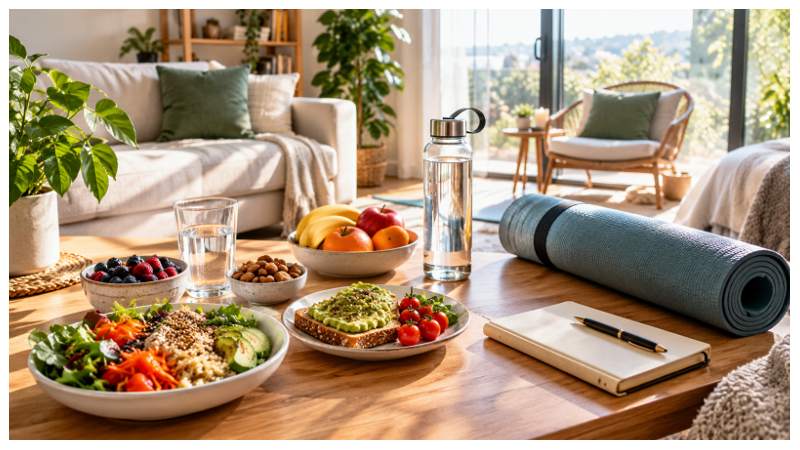
Maintaining a healthy lifestyle involves more than occasional exercise or choosing nutritious meals. It requires a balanced approach to physical health, emotional well-being, daily habits, and personal care. Advice Theweeklyhealthiness: Your Daily Wellness Guide explores practical ways to make healthier decisions without turning everyday life into a complicated routine.
Everyone has different responsibilities, preferences, and health needs. The purpose of this guide is to explain useful wellness practices that can fit into different lifestyles. By focusing on realistic improvements, you can gradually develop habits that support your overall well-being.
1. What This Daily Wellness Guide Covers
This guide explores nutrition, hydration, physical activity, mental wellness, sleep, preventive healthcare, and sustainable lifestyle habits. It also explains how to establish routines, overcome common challenges, and maintain motivation when life becomes busy.
Why Everyday Wellness Matters
Daily choices influence how you feel and function. Nutritious food supports normal body processes, physical activity helps maintain fitness, and sufficient sleep contributes to concentration and emotional balance. Looking after your mental health can also make everyday responsibilities easier to manage.
How Theweeklyhealthiness Encourages Healthy Living
Theweeklyhealthiness promotes an approachable perspective on wellness by emphasizing small, practical actions. Instead of chasing perfection, focus on habits you can maintain, adjust, and enjoy over time.
2. Understanding the Basics of Wellness
What Is Daily Wellness?
Daily wellness means making regular choices that support your physical, emotional, and social well-being. It includes caring for your body, managing stress, maintaining relationships, and making time for rest. Wellness is an ongoing process rather than a destination you reach once.
Key Elements of a Healthy Lifestyle
Important elements include balanced nutrition, regular movement, adequate hydration, restful sleep, emotional care, personal hygiene, and preventive healthcare. These areas work together, so neglecting one may affect other parts of your routine.
Building a Foundation for Better Health
Begin by identifying which habits need the most attention. You might benefit from preparing meals ahead of time, walking more frequently, or creating a regular bedtime. Establishing a few manageable practices provides a foundation for further improvements.
3. Healthy Habits for Everyday Life
Creating Positive Daily Habits
Healthy habits become easier when they fit naturally into your schedule. Keep a water bottle nearby, prepare tomorrow’s lunch after dinner, or take a short walk during a regular break. Connecting a new habit with an existing activity can make it easier to remember.
Small Changes for Lasting Results
Meaningful improvements do not always require major lifestyle changes. Adding vegetables to lunch, taking the stairs when appropriate, or spending a few minutes relaxing without your phone can be useful starting points.
Developing Healthy Habits Step by Step
Choose one habit, decide when you will practise it, and begin with a realistic target. Repeat the action regularly before adding another goal. This gradual method can make lifestyle changes feel less demanding.
Staying Consistent With Your Goals
Consistency is about returning to your routine, not performing perfectly every day. If an unexpected event interrupts your plans, resume when possible and avoid treating one difficult day as a complete setback.
4. Daily Wellness Tips
Morning Habits for a Healthy Start
Create a morning routine that helps you feel prepared. Open the curtains, drink water, stretch gently, and review your priorities. If breakfast suits your schedule and nutritional needs, choose a balanced option that provides energy for the morning.
Simple Daily Wellness Routines
Include healthy actions throughout your day. Eat regular balanced meals, move periodically, take breaks from screens, and connect with people who support you. Simple routines are often easier to sustain than complicated schedules.
Healthy Evening Habits
Use the evening to slow down and prepare for rest. Organize essential tasks for the next day, enjoy a relaxing activity, and reduce stimulating activities as bedtime approaches.
Practical Ways to Improve Your Lifestyle
Make healthier choices convenient. Keep nutritious ingredients available, schedule movement breaks, maintain a comfortable sleeping environment, and set realistic boundaries around work. Your routine should support your life rather than create additional pressure.
5. Nutrition and Healthy Eating
Importance of Balanced Nutrition
A balanced eating pattern provides energy and nutrients needed for normal body functions. Aim for variety rather than relying on a limited selection of foods. Your needs may differ according to age, activity, health conditions, and personal circumstances.
Essential Nutrients Your Body Needs
Carbohydrates provide energy, protein supports tissue maintenance, and dietary fats help with several important bodily functions. Vitamins, minerals, fiber, and water also contribute to normal health. Eating a range of foods can help provide these essential components.
Best Foods for Everyday Wellness
Include vegetables, fruits, whole grains, beans, lentils, nuts, seeds, and suitable protein sources such as eggs, fish, dairy products, or lean meats. Choose foods that fit your preferences, budget, culture, and nutritional needs.
Healthy Meal Planning Tips
Plan a few meals before shopping and prepare ingredients when you have time. A balanced meal might contain vegetables, a protein source, and whole grains or another suitable carbohydrate. Preparing food in advance can reduce reliance on rushed choices.
Smart Snacking Ideas
Choose snacks that satisfy hunger and contribute useful nutrients. Fruit, plain yogurt, nuts, roasted chickpeas, and whole-grain foods are practical examples. Consider portion sizes and your appetite rather than eating automatically whenever food is available.
Foods to Limit for Better Health
Try to limit frequent consumption of foods and drinks high in added sugar, excess sodium, or heavily refined ingredients. These foods can still fit occasionally into a varied diet. Overall eating patterns matter more than expecting every meal to be perfect.
6. Hydration and Healthy Living
Why Water Is Essential for Your Body
Water helps regulate body temperature, transport nutrients, and support other normal bodily processes. Fluid requirements differ depending on activity, weather, diet, and individual health needs.
Benefits of Staying Hydrated
Adequate fluid intake supports normal physical functioning and helps prevent dehydration. Feeling thirsty, having a dry mouth, or noticing darker urine may indicate a need for fluids, although these signs are not reliable for every person.
Easy Ways to Drink More Water
Keep water accessible throughout the day and drink regularly. You can also establish reminders around meals or breaks. If plain water feels unappealing, add lemon, cucumber, mint, or fresh berries.
Hydrating Foods to Include in Your Diet
Water-rich foods such as oranges, watermelon, strawberries, tomatoes, cucumbers, and soups can contribute to fluid intake. Including these options also adds variety and nutrients to your meals.
7. Fitness and Physical Activity
Benefits of Regular Exercise
Regular movement supports cardiovascular fitness, muscular strength, mobility, and general well-being. It can also provide a useful break from work and help some people manage stress.
Beginner-Friendly Home Workouts
Start with comfortable activities such as marching in place, wall push-ups, chair squats, or gentle mobility exercises. Adjust the intensity to your abilities and increase gradually. Anyone with relevant health concerns should seek suitable professional guidance before starting a demanding routine.
Simple Ways to Stay Active Every Day
Walk during breaks, take short trips on foot when practical, do household tasks, or stand and stretch after sitting for extended periods. Several short periods of movement can contribute to an active day.
Stretching and Flexibility Tips
Gentle stretching can support comfortable movement and flexibility. Move slowly, breathe naturally, and avoid forcing your joints beyond a comfortable range. Stop if an activity causes sharp or persistent pain.
Creating a Sustainable Fitness Routine
Choose activities that match your abilities and interests. Many adults can work toward at least 150 minutes of moderate-intensity aerobic activity each week, together with muscle-strengthening activity on two or more days, as appropriate. Start at a manageable level and build gradually.
8. Mental Health and Emotional Wellness
Why Mental Wellness Matters
Mental wellness affects how people handle responsibilities, relationships, emotions, and stressful experiences. Caring for your emotional health is an important part of a balanced lifestyle.
Simple Techniques for Managing Stress
Try slow breathing, journaling, walking outdoors, listening to calming music, or talking with someone you trust. Breaking a demanding task into smaller steps may also make it feel more manageable.
Positive Thinking and Emotional Balance
Positive thinking does not mean ignoring disappointment or pretending every situation is easy. Instead, acknowledge your feelings, examine unhelpful assumptions, and look for realistic ways to respond to challenges.
Self-Care Practices for Everyday Life
Self-care can include hobbies, social connection, adequate rest, personal boundaries, and time away from daily demands. Choose activities that genuinely help you feel refreshed rather than adding more obligations to your schedule.
Building Emotional Resilience
Resilience develops through experience, supportive relationships, flexible thinking, and healthy coping strategies. Give yourself permission to learn from setbacks instead of expecting yourself to handle every challenge perfectly.
When to Seek Professional Support
If anxiety, low mood, overwhelming stress, or other emotional difficulties persist and interfere with everyday life, consider consulting a qualified mental-health professional. Seeking help is a sensible step toward understanding your needs and finding appropriate support.
9. Healthy Sleep and Relaxation
Importance of Quality Sleep
Sleep supports memory, attention, mood, and physical recovery. Most adults generally need around seven to nine hours each night, although individual requirements can vary.
Creating a Relaxing Bedtime Routine
Develop a calm sequence before bed. You might take a warm shower, read a book, prepare clothes for the next morning, or practise gentle breathing.
Tips for Better Sleep
Keep your sleeping space quiet, dark, and comfortable when possible. Avoid late-day caffeine if it affects your sleep, and discuss persistent sleeping difficulties with a healthcare professional.
Managing Screen Time Before Bed
Phones and computers can keep you mentally engaged when you need to relax. Try putting devices aside before bedtime and choosing a quieter activity instead.
Maintaining a Consistent Sleep Schedule
Going to bed and waking at similar times can help establish a regular sleep pattern. Make gradual adjustments if your current schedule does not provide enough rest.
10. Creating a Balanced Lifestyle
Building a Productive Daily Schedule
Organize your main responsibilities while allowing time for meals, movement, rest, and personal interests. A useful schedule includes flexibility for unexpected tasks rather than filling every moment.
Managing Screen Time Wisely
Reduce unnecessary notifications and take regular breaks from digital devices. Balance online activities with reading, outdoor time, conversation, and other offline interests.
Maintaining Work-Life Balance
Set reasonable limits around work where possible. Protect time for relationships, hobbies, exercise, and relaxation instead of allowing responsibilities to occupy every part of your day.
Making Time for Rest and Recovery
Rest supports sustainable activity. Take breaks during demanding periods, allow recovery after exercise, and recognize when you need a slower day.
11. Advice Theweeklyhealthiness for Beginners
Easy Wellness Tips to Get Started
Start with a few basics: eat a varied diet, drink fluids regularly, move more often, maintain a sleep routine, and make time to unwind.
Simple Lifestyle Changes That Work
Replace one less-helpful habit with a practical alternative. Choose water more often, add fruit to breakfast, or take a short walk during a break.
Common Challenges for Beginners
Limited time, changing schedules, low motivation, and uncertainty about where to begin can make progress difficult. Identify your main obstacle and create a simple solution that fits your circumstances.
Avoiding Unrealistic Health Goals
Avoid trying to transform every part of your lifestyle immediately. Goals should challenge you without becoming overwhelming. Small, achievable actions offer a clearer starting point.
Creating a Personal Wellness Plan
Choose two or three priorities, decide how you will practise them, and review your progress weekly. Adapt your plan when your responsibilities or needs change.
12. Preventive Health and Self-Care
Importance of Regular Health Checkups
Routine appointments can help monitor health and identify concerns early. The appropriate schedule depends on factors such as age, medical history, family history, and individual risk.
Understanding Preventive Healthcare
Preventive care may include recommended vaccinations, health screenings, dental visits, vision checks, and discussions about personal health risks. Ask a qualified professional which services are appropriate for you.
Maintaining Good Personal Hygiene
Wash your hands regularly, brush and clean between your teeth, bathe as needed, and handle food safely. These everyday practices support personal and community health.
Supporting Overall Health
Balanced meals, regular activity, sufficient sleep, stress management, and avoiding tobacco can contribute to overall well-being. People with existing health conditions may need personalized recommendations.
Healthy Aging Practices
Maintain social connections, remain physically active within your abilities, eat varied foods, and attend recommended healthcare appointments. Adjust activities to your changing needs rather than assuming aging means giving up movement or independence.
13. Everyday Wellness Advice
Practical Tips for Busy People
Prepare simple meals ahead of time, keep water nearby, use short activity breaks, and establish a realistic bedtime. Small actions can fit even into demanding schedules.
Healthy Habits You Can Start Today
Take a short walk, add vegetables to your next meal, tidy your sleeping area, or spend five minutes away from screens. Choose one action and repeat it regularly.
Staying Motivated on Your Wellness Journey
Remember why you chose your goal and celebrate meaningful progress. If motivation drops, make the habit easier instead of abandoning it completely.
Building Confidence Through Healthy Living
Keeping small promises to yourself can strengthen confidence. Focus on actions within your control and recognize that progress may look different from one week to another.
Maintaining Long-Term Wellness
Review your habits periodically and keep the ones that genuinely help. Sustainable wellness leaves room for celebrations, changing schedules, personal preferences, and occasional setbacks.
14. Common Wellness Mistakes to Avoid
Skipping Meals
Skipping meals may leave some people feeling tired or overly hungry later. Establish an eating pattern that suits your appetite, schedule, and nutritional needs.
Making Unbalanced Food Choices
Frequently relying on a narrow range of foods can make it harder to obtain varied nutrients. Introduce different food groups and prepare simple balanced meals when possible.
Lack of Physical Activity
Prolonged inactivity limits opportunities to maintain fitness. Break up sitting time with brief walks, gentle stretches, or other suitable movement.
Developing Poor Sleep Habits
Irregular schedules and stimulating bedtime activities may interfere with rest. Build a consistent wind-down routine and seek advice if sleep problems continue.
Ignoring Mental Well-Being
Do not dismiss persistent emotional difficulties as something you must handle alone. Supportive conversations, healthy coping habits, and professional care can all be valuable.
Spending Too Much Time Sitting
Long periods of sitting can become an overlooked part of daily life. Stand, stretch, or walk regularly when your circumstances allow.
Setting Unrealistic Health Goals
Expecting immediate results can lead to frustration. Choose manageable targets and allow enough time to develop new routines.
15. Family Health and Wellness
Building Healthy Family Habits
Families can encourage wellness by sharing meals, supporting regular sleep, planning active outings, and discussing health in a positive way.
Encouraging Children to Stay Active
Offer children opportunities for age-appropriate play, sports, dancing, cycling, and outdoor exploration. Emphasize enjoyment, confidence, and participation rather than appearance or competition.
Healthy Eating for the Whole Family
Serve a variety of foods and involve children in suitable meal-planning tasks. Eating together when possible can create opportunities for conversation and connection.
Fun Family Fitness Activities
Walking, gardening, dancing, playing ball games, and exploring parks can turn movement into enjoyable family time.
Creating a Healthy Home Environment
Make nutritious options accessible, maintain reasonable screen boundaries, and provide opportunities for rest and activity. A supportive home makes healthy choices easier to practise.
16. Long-Term Wellness Planning
Importance of Consistency
Repeated actions help healthy routines become familiar. Aim for steady progress while accepting that some days will be more difficult than others.
Setting Realistic Health Goals
Create clear targets linked to specific actions. For example, plan three short walks each week instead of setting a vague goal to become healthier.
Tracking Your Wellness Progress
Use a notebook or calendar to record habits, activity, sleep, or other priorities. Tracking can reveal patterns and help you recognize improvements that might otherwise go unnoticed.
Maintaining Motivation
Keep your goals visible, prepare for common obstacles, and ask supportive friends or family members to encourage you. Change your approach if it becomes too difficult to maintain.
Adjusting Your Wellness Plan
Work, family commitments, travel, and health needs can change. Review your routine regularly and make practical adjustments rather than viewing change as failure.
Making Healthy Living a Lifelong Habit
Treat wellness as a flexible part of everyday life. Long-term success depends less on strict rules and more on finding habits that remain useful and realistic over time.
17. Frequently Asked Questions (FAQs)
How Can I Improve My Wellness Every Day?
Focus on balanced meals, regular movement, adequate hydration, sufficient sleep, stress management, and appropriate preventive healthcare. Begin with small changes you can repeat.
What Are the Most Important Daily Wellness Habits?
Nutritious eating, physical activity, quality sleep, hydration, personal hygiene, emotional care, and supportive relationships are useful foundations for overall well-being.
How Much Physical Activity Do Adults Need?
Many adults should aim for at least 150 minutes of moderate-intensity aerobic activity per week and muscle-strengthening activity on two or more days, when appropriate. Individual abilities and health needs may require adjustments.
Why Is Mental Wellness Important?
Mental wellness supports emotional regulation, relationships, concentration, and coping with daily challenges. It deserves attention alongside physical health.
How Can I Improve My Sleep Quality?
Keep a consistent schedule, create a comfortable sleeping environment, establish a calming bedtime routine, and reduce stimulating activities before bed.
How Can I Stay Consistent With Healthy Habits?
Set achievable goals, connect habits with existing routines, make healthy actions convenient, and track progress. If you miss a day, restart without judging yourself harshly.
When Should I Consult a Healthcare Professional?
Seek professional advice for persistent symptoms, ongoing sleep or emotional difficulties, concerns about your health, or questions about changing your diet or exercise routine. Urgent or severe symptoms require prompt medical attention.
18. Final Thoughts on Advice Theweeklyhealthiness
Summary of the Most Important Wellness Tips
A balanced lifestyle includes nutritious food, regular activity, sufficient water, restorative sleep, emotional care, personal hygiene, and preventive healthcare. These practices work together to support everyday well-being.
How to Apply These Tips in Daily Life
Choose a few habits that match your current needs. Add nutritious foods to your meals, take movement breaks, create a consistent sleep schedule, and make space for relaxation. Build on these actions as they become comfortable.
Benefits of Following a Healthy Lifestyle
Sustainable wellness habits can support physical fitness, daily energy, emotional well-being, and general health. Individual outcomes vary, so prioritize long-term practices instead of quick fixes or unrealistic promises.
Making Wellness Part of Your Everyday Routine
Wellness is easier to maintain when it fits naturally into your daily life. Keep your routines flexible, recognize your progress, and adapt your approach whenever your circumstances change.
Stay Connected for More Advice Theweeklyhealthiness Guides
Advice Theweeklyhealthiness: Your Daily Wellness Guide offers a starting point for developing practical, sustainable health habits. Continue learning, make thoughtful choices, and build a routine that supports your individual needs over time.